Office Cleaners in Brixton
Professional office cleaning for Brixton businesses

If you are looking for Office Cleaners in Brixton, you are probably after more than a quick tidy-up. You want a reliable team that can keep your workplace presentable, hygienic, and ready for staff, clients, and visitors day after day. In a busy area like Brixton, where offices sit alongside creative studios, shared workspaces, retail units, and professional practices, a consistent cleaning service makes a real difference to the way your business operates.
Brixton has a unique mix of commercial spaces. Some are in converted buildings with character features and awkward access, while others are modern offices above shops or within mixed-use developments. That variety means office cleaning needs to be flexible, careful, and practical. A local cleaning team understands the rhythm of the area, the challenges of parking and loading, and the importance of working around real business hours without getting in the way.
Whether you manage a small office near Brixton station, oversee a shared space close to Brixton Village, or run a company with multiple floors in a nearby commercial building, the right cleaning service helps maintain a professional environment. It supports staff wellbeing, protects your workspace, and creates the kind of first impression that matters when people walk through the door. Contact us today if you are ready to arrange regular office cleaning that suits your premises and your schedule.
Why local office cleaning matters in Brixton
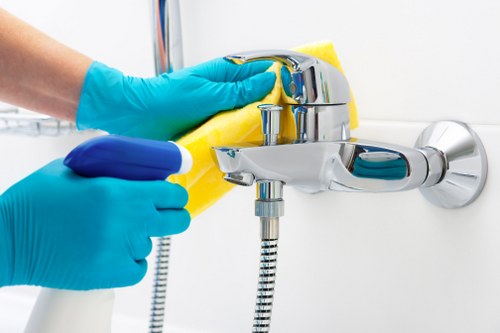
Choosing local office cleaners is not just about convenience. It is about having a team that knows the area, the building types, and the pressures that come with working in a lively part of South London. Brixton offices often operate in buildings with shared entrances, limited storage, and busy surrounding streets. That means cleaners need to be organised, punctual, and respectful of the space they are working in.
Local knowledge also helps with practical details. Some workplaces in Brixton have restricted access windows, controlled entry systems, or narrow stairways that make equipment movement more difficult. Others may need early morning or evening cleaning to avoid disrupting staff, clients, or classes. A nearby team can plan around these realities more easily than a provider unfamiliar with the area.
For many businesses, the biggest advantage is consistency. The same cleaners returning on a regular basis get to know the layout, the priority areas, and the standards you expect. That familiarity can improve quality and reduce the time spent explaining basic requirements. It also gives you a more dependable service, which is particularly valuable for busy offices, clinics, agencies, and co-working spaces that cannot afford to let presentation slip.
Common types of offices and workplaces we support
Brixton is home to a wide range of business premises, and office cleaning needs can vary significantly from one property to the next. A tailored approach is often the best way to get the results you want without paying for unnecessary extras. Typical sites include:
- Small independent offices with a few staff and limited storage
- Shared offices and co-working spaces with high footfall and shared facilities
- Creative studios and production offices where dust and equipment use need careful handling
- Professional practices such as accountancy, consultancy, legal, or wellness-related workplaces
- Retail back offices and mixed-use premises above shops
- Managed office floors in larger commercial buildings
Each environment needs a slightly different cleaning plan. A good local service will look at how the space is used, when staff are present, and which areas need extra attention. That way, the service feels efficient and practical rather than generic.
What office cleaning in Brixton can include

Office cleaning should be shaped around the real needs of the premises. For some clients, that may mean daily cleaning of desks, floors, toilets, and kitchen areas. For others, it may mean a few targeted visits each week focused on shared spaces, bins, and touchpoints. The key is to create a cleaning routine that keeps the workplace looking professional without interrupting operations.
A typical office cleaning service can include a range of tasks depending on your requirements. These might involve dusting, vacuuming, mopping, sanitising surfaces, and keeping communal areas in good order. In many offices, washroom and kitchenette hygiene is especially important because these areas affect both comfort and confidence in the workplace. Strong attention to detail in these spaces can make a noticeable difference.
It is also common to request extra focus on high-contact points such as door handles, switches, reception surfaces, lift buttons, and shared equipment. In a busy business setting, these are the areas that quickly show signs of use. A well-planned cleaning schedule helps reduce visible clutter and maintain a more hygienic environment for staff and visitors alike.
Typical tasks included in an office cleaning plan
Depending on your building and needs, your cleaning checklist may include:
- Vacuuming carpets and rugs
- Sweeping and mopping hard floors
- Dusting desks, shelves, skirting boards, and ledges
- Emptying waste and recycling bins
- Cleaning and sanitising kitchen counters and sinks
- Wiping and disinfecting washroom fittings
- Cleaning glass partitions and internal doors
- Refreshing reception and shared waiting areas
- Cleaning touchpoints such as handles, light switches, and handrails
- Restocking or checking consumables where agreed
Some businesses also ask for occasional deeper attention, such as a more detailed clean after refurbishments, office rearrangements, seasonal refreshes, or periods of heavy use. That can be especially useful in fast-moving commercial spaces where the routine week-to-week clean is not always enough.
How the service works

Booking office cleaners in Brixton should feel straightforward, especially if you are already balancing busy staff schedules, property management tasks, and daily business priorities. A professional cleaning service is usually arranged in a few practical steps, beginning with a discussion of the workplace, the frequency you want, and the areas that matter most.
After that, the cleaning plan can be shaped around your building’s access arrangements. For example, some offices prefer cleaning before opening hours so staff arrive to a tidy workspace. Others choose evenings or weekends to avoid interruptions. In multi-tenant properties or shared workspaces, cleaners may need to work around building rules, reception procedures, or key-holding arrangements. Good planning keeps the whole process smooth.
Once the service is underway, regular reviews can help make sure the cleaning still matches your needs. Businesses evolve. New staff arrive, desk layouts change, and shared areas become busier or quieter over time. A flexible service can adapt with you rather than leaving you stuck with a fixed routine that no longer fits.
What a good cleaning process usually looks like
- Initial discussion about your office type, cleaning priorities, and access requirements
- Site review to understand the layout, surface types, and shared spaces
- Cleaning schedule created around your preferred days and times
- Regular service visits carried out consistently
- Ongoing adjustments if your needs change, such as extra attention after events or busy periods
This approach works well for both smaller firms and larger workplaces because it keeps the service practical. It also helps ensure that the cleaning covers the spaces that matter most rather than focusing only on what is easy to reach.
Why choose a local company for office cleaning in Brixton?

There are many reasons customers prefer a local provider when arranging office cleaning. First, a team that works regularly in and around Brixton is more likely to understand the local parking situation, busier traffic times, and the realities of getting cleaning materials and equipment into commercial buildings without delay. That may sound simple, but it often makes the difference between a service that feels easy and one that causes repeated frustration.
Local providers are also more responsive. If you need to make a change to the cleaning schedule, arrange an extra visit, or discuss a new area of the office that needs attention, a nearby team can usually respond more quickly. That is especially useful for businesses that operate with changing meeting rooms, client-facing areas, or seasonal increases in footfall. Being nearby helps keep things adaptable.
Another advantage is a better fit with the area’s property mix. Brixton includes older buildings with original features, refurbished workspaces, and modern commercial units. Each type of property needs a slightly different cleaning approach. For example, a historic conversion may need careful dusting around details and fittings, while a contemporary office might prioritise glass, flooring, and washroom presentation. Local cleaners are often better placed to recognise these differences from the start.
Practical benefits for Brixton businesses
- Faster response times for schedule changes or additional requests
- Cleaner planning around local access, parking, and loading conditions
- Better understanding of mixed-use properties and shared buildings
- Flexibility for early starts, late finishes, or weekend cleaning
- More consistent service through regular visits and familiar routines
For businesses that value reliability, these practical benefits matter just as much as the cleaning itself. A service that fits neatly into your working week can save time, reduce stress, and make day-to-day operations easier.
Local areas covered around Brixton
Brixton is a central point for many nearby commercial and residential neighbourhoods, so office cleaning requests often come from surrounding locations as well. A local team can usually support workplaces in the wider area, including places with busy commuter links, high street premises, and mixed residential-commercial buildings.
Areas commonly served may include:
- Loughborough Junction
- Herne Hill
- Clapham
- Stockwell
- Kennington
- Camberwell
- Oval
- West Norwood
- Peckham
- Streatham
That wider coverage is useful for companies with offices split across different sites or for managing agents overseeing several properties in South London. It also means a cleaner familiar with Brixton can often support neighbouring locations without needing a completely separate provider for each one.
What affects office cleaning pricing?
Every office is different, so pricing is usually shaped by the details of the job rather than a one-size-fits-all rate. Businesses benefit from knowing which factors influence cost, because it helps set realistic expectations and makes quote requests more accurate. A local provider will generally look at your space, your frequency, and the type of work needed before suggesting a service structure.
Common pricing factors include:
- Size of the office and the number of rooms or floors
- Cleaning frequency such as daily, weekly, or occasional visits
- Level of detail required in shared spaces, washrooms, and kitchens
- Type of flooring and surfaces that need different cleaning methods
- Access arrangements including key holding, alarms, or restricted entry
- Whether consumables or specialist tasks are included
It is worth asking for a tailored quote rather than assuming every office cleaning service is priced in the same way. A clear breakdown helps you compare options fairly and avoid paying for tasks you do not need. It also helps if you want to scale the service up or down later.
How to get a quote that reflects your real needs
When you request a quote, it helps to share a few practical details:
- The type of office or business you run
- Approximate size of the space
- How many staff use the office regularly
- Which rooms need cleaning
- Your preferred cleaning times
- Any access limitations or building rules
The more accurate the information, the easier it is to propose a cleaning plan that works. That saves time for both sides and helps avoid misunderstandings later.
Why businesses keep office cleaning consistent
Regular cleaning is not only about appearance. It also supports a healthier, calmer, and more productive workplace. When bins are emptied, surfaces are clean, and shared areas are kept in order, staff tend to feel more comfortable and able to focus. Visitors also notice when a workplace is well maintained, even if they do not consciously think about the cleaning behind it.
In offices with client-facing areas, presentation matters even more. Reception spaces, meeting rooms, and washrooms shape what people think of the business before any conversation starts. A tidy, hygienic environment signals care and professionalism. That first impression can be powerful, especially for firms that host clients, candidates, patients, or partners on site.
Consistency also protects the building over time. Dust, grime, and spills can damage surfaces if left too long. Regular attention helps preserve carpets, flooring, furniture, and fittings. For landlords and managing agents, that can support tenant satisfaction as well as the overall condition of the property.
Preparing your office for the cleaners
You do not need to carry out a big clear-out before a professional cleaning visit, but a little preparation can help the service run more efficiently. The cleaner can work more effectively when pathways are clear and priorities are easy to identify. If your office is busy, a few small steps before the visit can make a real difference.
Here is a simple preparation checklist:
- Clear items from desks if you want the surfaces cleaned thoroughly
- Put away confidential papers or sensitive materials
- Make sure cleaners can access sinks, bins, and washrooms
- Highlight any areas that need extra attention
- Let the team know about broken fittings, blocked access, or unusual hazards
- Secure pets, if any are present in a live-work or mixed-use setting
For larger offices, it can help to appoint one person as the main contact for day-to-day instructions. That keeps communication simple and prevents mixed messages. It also ensures that any changes to the routine are handled quickly and clearly.
Special considerations for Brixton office spaces
Brixton’s character is one of its strengths, but it can also create cleaning challenges that are easy to overlook. Some commercial buildings are in older properties where entry routes are narrow or shared with residential tenants. Others are in busy high streets where loading space is limited and foot traffic is high. Cleaning services need to be respectful of these realities and work efficiently within them.
Noise can also matter. In a shared building or a small office close to residential spaces, a cleaner should work in a way that avoids unnecessary disruption. That may mean using quieter equipment where suitable, being careful with vacuuming times, and planning movements around other occupants. In a lively district like Brixton, that kind of consideration goes a long way.
For businesses close to transport hubs or high-footfall routes, entrances and reception areas can gather dust, dirt, and marks more quickly than in quieter locations. This makes entrance matting, glass, and front-of-house presentation especially important. A local cleaning service will often know how to prioritise these spaces so the office feels welcoming throughout the week.
Useful extras to ask about
Depending on your office, you may want to ask whether the cleaning plan can include occasional add-ons such as:
- Internal window cleaning
- Periodic deep cleaning
- Kitchen appliance wipe-downs
- Post-event cleaning after meetings or staff gatherings
- Fabric and upholstery attention in reception spaces
- Extra sanitising in high-use shared areas
These tasks are not required for every office, but they can be useful when your workspace has a busier schedule or a more public-facing role. A flexible provider can help you decide what is worth including and what is best handled separately.
Choosing the right office cleaning schedule
Some offices need a daily clean because of constant use. Others are fine with visits two or three times a week, especially if the team is small and the workspace is low traffic. The best schedule depends on the number of staff, how much client footfall you have, and how many shared facilities need regular attention.
There is no single correct answer, but it helps to think about the areas that get dirty fastest. Toilets, kitchens, meeting rooms, reception areas, and entrance spaces often need the most regular care. Desks and private offices may need a less intensive routine, although that depends on how the business operates. Matching the schedule to the building keeps the service efficient.
Many businesses prefer a service plan that balances regular upkeep with occasional deeper cleaning. That creates a tidy day-to-day environment while still allowing for more detailed work when needed. It is a practical way to keep standards high without overcomplicating the arrangement.
Frequently asked questions
Can office cleaning be arranged outside working hours?
Yes. Many Brixton offices prefer early morning, evening, or weekend cleaning so staff can work uninterrupted. The timing can usually be adjusted to fit your operating hours and access arrangements.
Do office cleaners work in shared or managed buildings?
Yes, provided access and building rules are clear. Shared offices, managed floors, and mixed-use properties are common in the area, and a good local team will work around reception procedures, keys, alarms, and any restrictions set by the landlord or building manager.
What if our office has delicate finishes or specialist surfaces?
That is not a problem when it is discussed in advance. Some buildings contain glass partitions, polished flooring, wooden furniture, or older decorative features that need a careful approach. Letting the cleaner know about these details helps avoid damage and ensures suitable products and methods are used.
Can cleaning be scaled up during busy periods?
Yes. Many businesses need more support at certain times of year, after events, or during periods of heavier client traffic. A flexible service can often be adjusted temporarily or permanently depending on demand.
Is it better to choose a regular contract or one-off cleaning?
That depends on your business. Regular cleaning suits offices that want steady standards and ongoing support, while one-off or occasional cleans can work well after refurbishments, before inspections, or when extra help is needed. Many customers use a combination of both.
How do we know what cleaning tasks to prioritise?
Start with the areas that affect staff comfort and visitor impression most quickly: washrooms, kitchens, floors, reception, and touchpoints. From there, you can add other tasks according to the way your office is used. A tailored checklist is often the best approach.
Book office cleaners in Brixton with confidence
If your workplace needs dependable, locally aware cleaning support, a Brixton-based service can offer the practical help you are looking for. From small offices and creative studios to larger commercial spaces and shared work environments, the right team will keep your premises tidy, hygienic, and ready for business.
What matters most is finding a service that fits your building, your schedule, and the way your team works. That includes understanding access, parking, shared facilities, and the particular demands of a busy South London location. Request a free quote if you would like a cleaning plan shaped around your office rather than a generic package.
When you are ready, book your service now and arrange office cleaning that supports your staff, your clients, and your workplace every week. Contact us today to discuss your requirements and take the next step toward a cleaner, more professional office in Brixton.
Final note for local customers
Whether you need regular maintenance, a flexible schedule, or help keeping a shared commercial space in good order, choosing experienced office cleaners in Brixton can make everyday business life much easier. The right service should feel smooth, reliable, and tailored to the realities of your premises.